
The Sekyere Afram Plains District Assembly has officially launched the Government of Ghana’s Nkoko Nketenkete poultry initiative under the Feed Ghana Programme, reaffirming its commitment to improving household nutrition, strengthening food security and creating sustainable livelihood opportunities for residents.
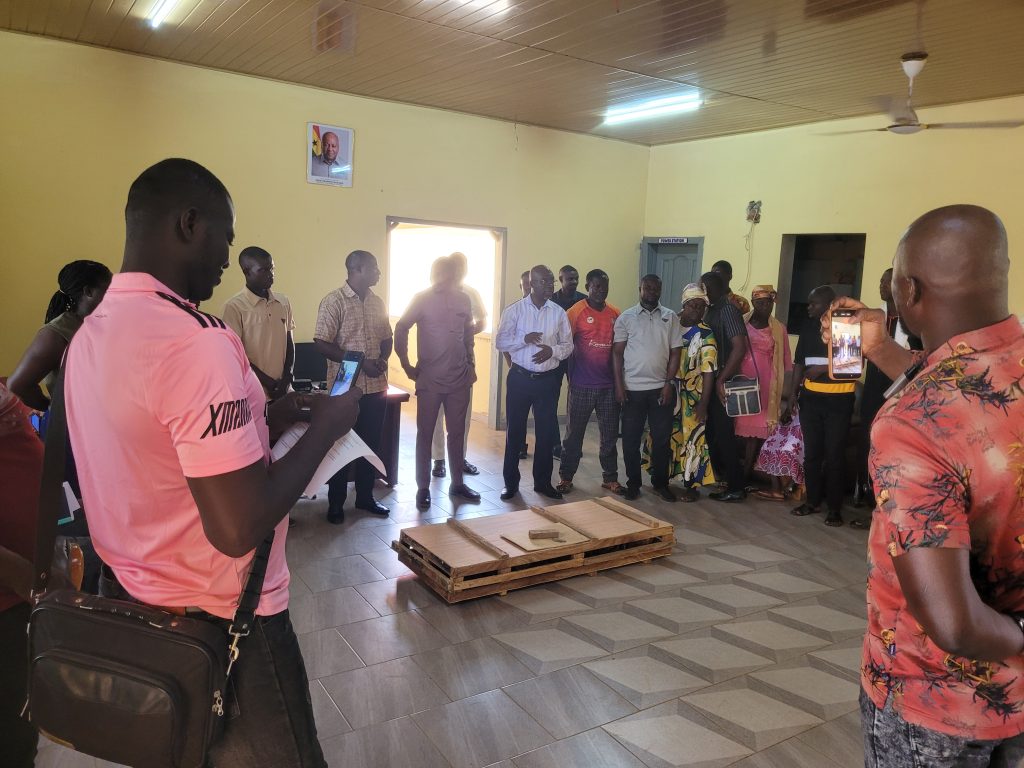
The district launch, held on 15th January 2026 at the forecourt of the District Assembly, formed part of the nationwide rollout of the flagship initiative, which seeks to increase local poultry production while reducing Ghana’s dependence on imported chicken.
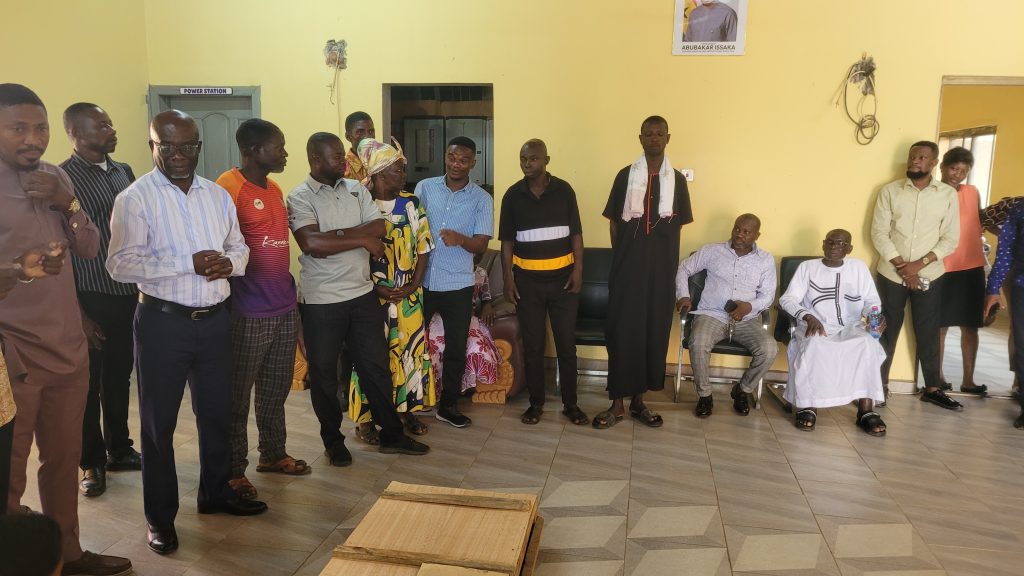
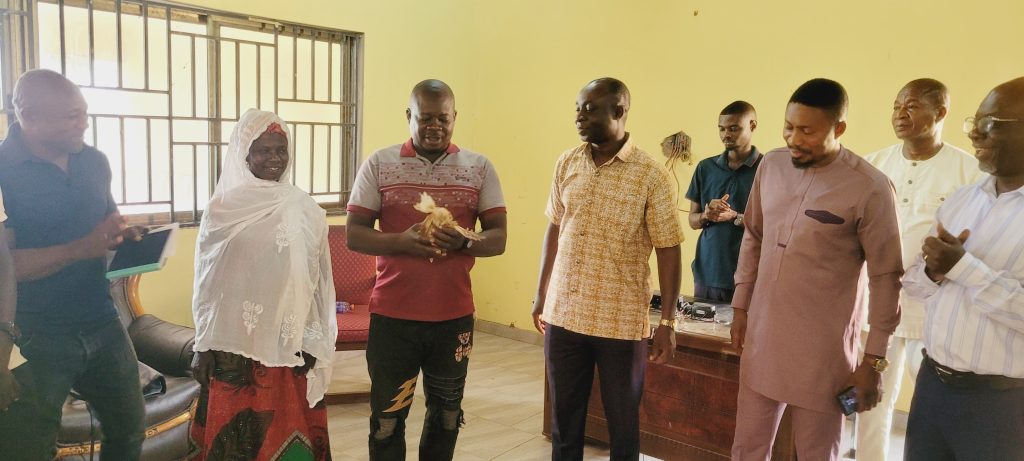
Addressing beneficiaries at the ceremony, the District Director of Agriculture disclosed that the Department received 10,000 day-old chicks in November 2025 for brooding. After the brooding period, 9,120 healthy birds were ready for distribution to beneficiary households across the district.
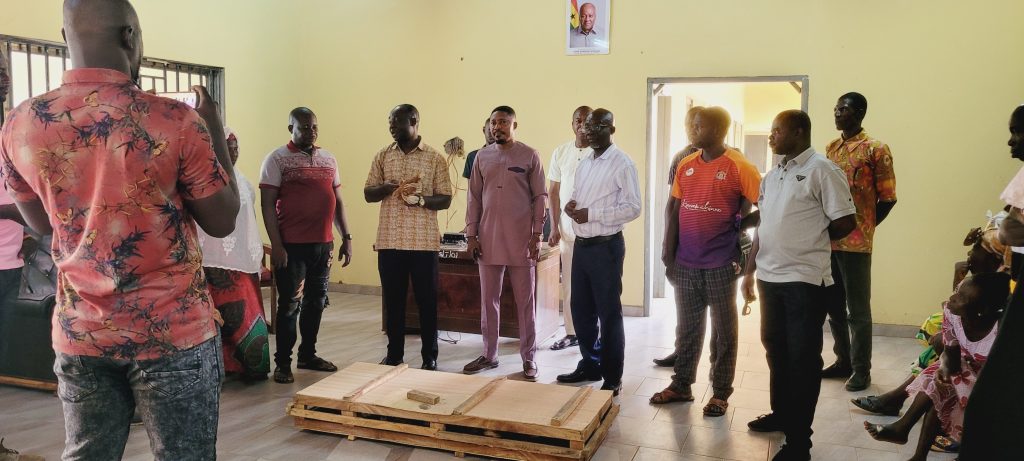
The District Chief Executive encouraged beneficiaries to take proper care of the birds to ensure the success of the programme. He explained that about 200 households would each receive 50 layer birds, with technical support and regular monitoring to be provided by the Animal Production and Veterinary Services units of the Department of Agriculture.
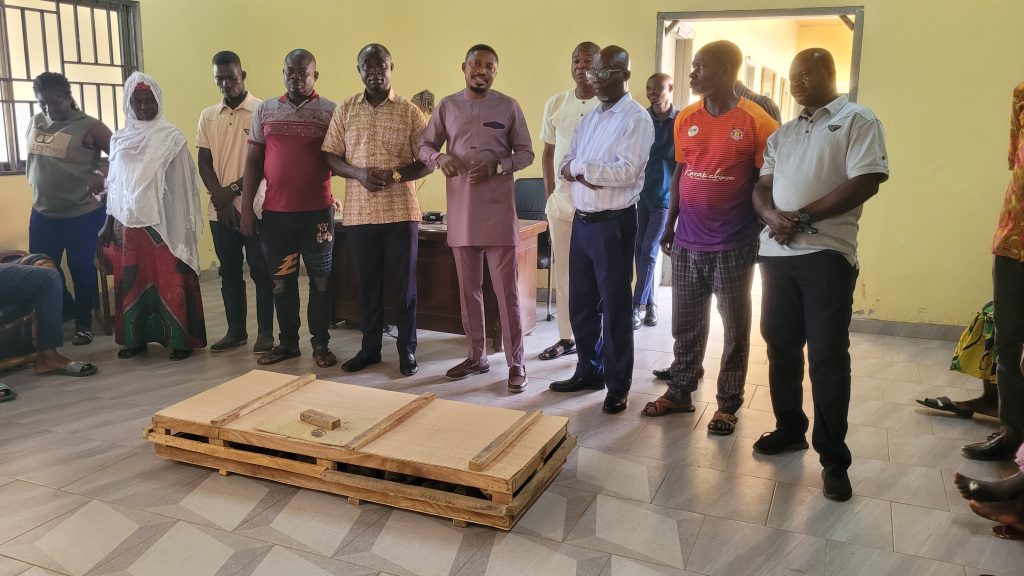
He noted that the initiative is expected to improve household incomes, enhance nutrition through increased egg production and contribute to national efforts to strengthen food security and create employment opportunities.
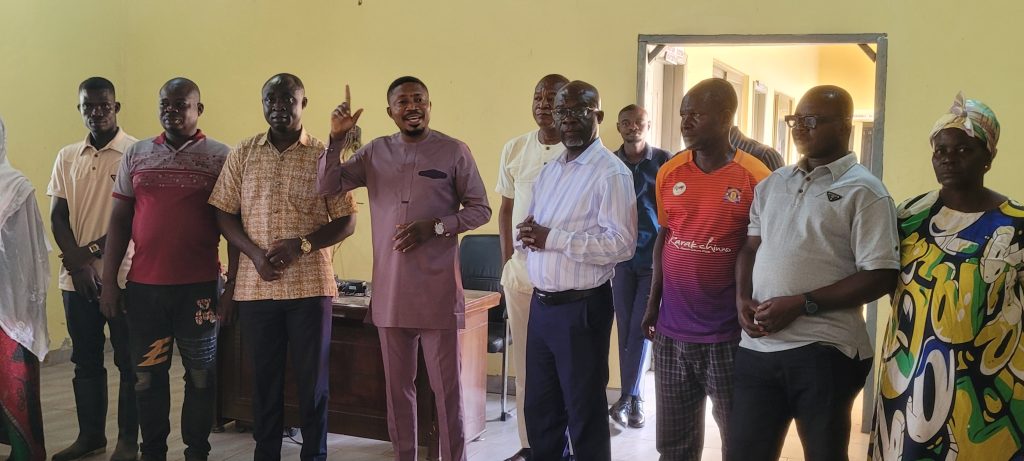
Speaking on behalf of the beneficiaries, participants expressed appreciation to the Government for introducing the intervention and pledged to manage the birds responsibly to achieve the objectives of the programme.
The Nkoko Nketenkete initiative is one of the Government’s flagship agricultural interventions under the Feed Ghana Programme. It aims to revitalise Ghana’s poultry industry by supporting households, particularly women, youth and vulnerable groups, with poultry production inputs and technical assistance. The initiative is expected to increase local poultry production, improve household livelihoods and reduce the country’s reliance on imported poultry products.