
The Sekyere Afram Plains District Assembly, through its Environmental Health Unit, joined the nationwide observance of National Sanitation Day with a large-scale clean-up exercise in the communities of Anyinofi and Seneso on 5th May 2026. The exercise, undertaken under the national sanitation campaign spearheaded by the Ministry of Local Government, Chieftaincy and Religious Affairs, sought to promote environmental cleanliness, proper waste management and active community participation in sanitation improvement efforts.
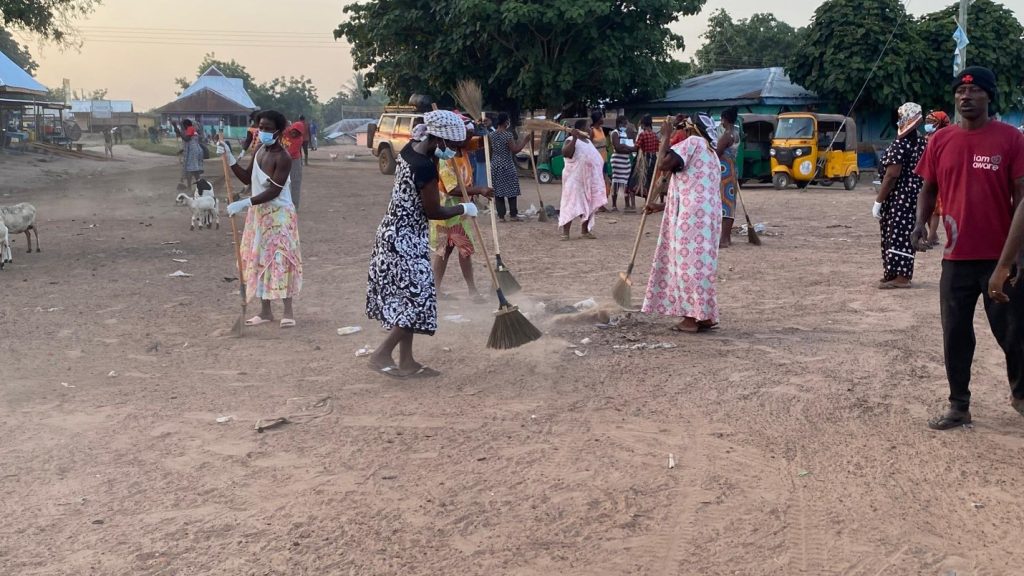
The exercise attracted a total of 899 participants, comprising Assembly staff, officials from the Ghana Education Service, Ghana Health Service, the National Disaster Management Organisation (NADMO), the Local Council of Churches, traditional authorities, committee members and residents from the two communities. The broad participation reflected the collective commitment of stakeholders to creating cleaner and healthier communities.
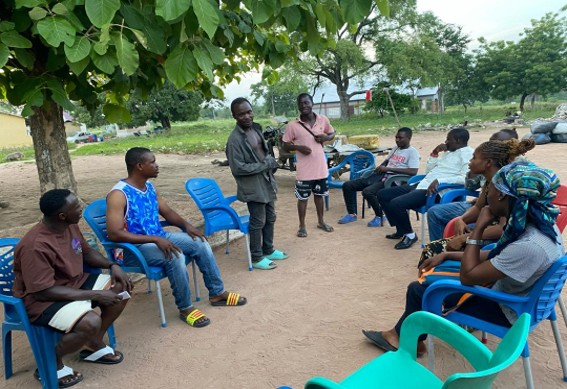
Prior to the exercise, the District Assembly and the Environmental Health Unit held planning meetings to coordinate activities and assign responsibilities. Community sensitisation was carried out through information centres, churches, mosques and engagements with community leaders to encourage residents to participate actively in the clean-up exercise. Logistics, including cleaning tools, refuse sacks, waste collection trucks and supervisory teams, were also put in place to ensure the smooth implementation of the programme.

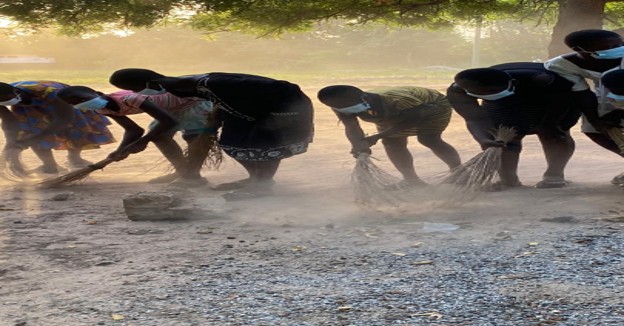
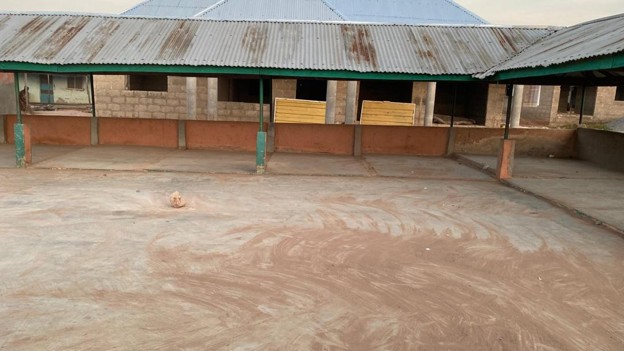
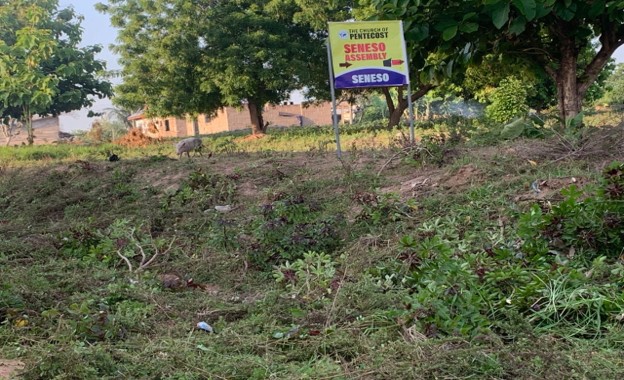
Beginning at 6:00 a.m., volunteers carried out extensive clean-up activities across the two communities. The exercise focused on desilting choked drains, clearing refuse dumps, sweeping streets and market areas, removing weeds along road shoulders, cleaning school compounds, weeding cemetery grounds and covering potholes on principal streets. Waste collected during the exercise was properly bagged and transported to approved disposal sites to promote sound environmental management.
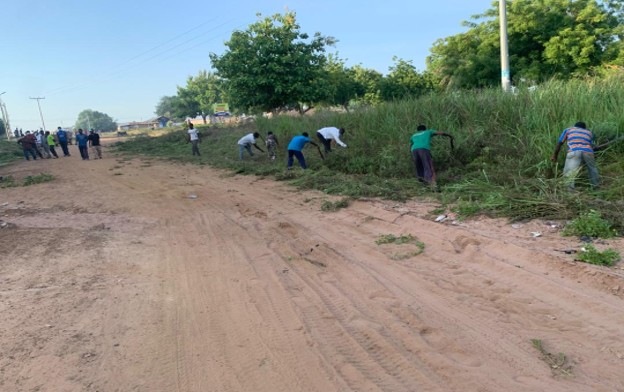
The exercise resulted in visibly cleaner surroundings in Anyinofi and Seneso while raising public awareness of the importance of good sanitation practices. It also strengthened community ownership of environmental sanitation and reinforced the need for residents to maintain clean surroundings and avoid indiscriminate disposal of waste. Community leaders encouraged residents to sustain the momentum by observing regular clean-up exercises and adopting responsible waste management practices.
The District Assembly reaffirmed its commitment to working with traditional authorities, community leaders and residents to promote environmental sanitation and improve public health across the district through sustained education and collaborative action.